
Structural Differences Between New Construction and Older Homes
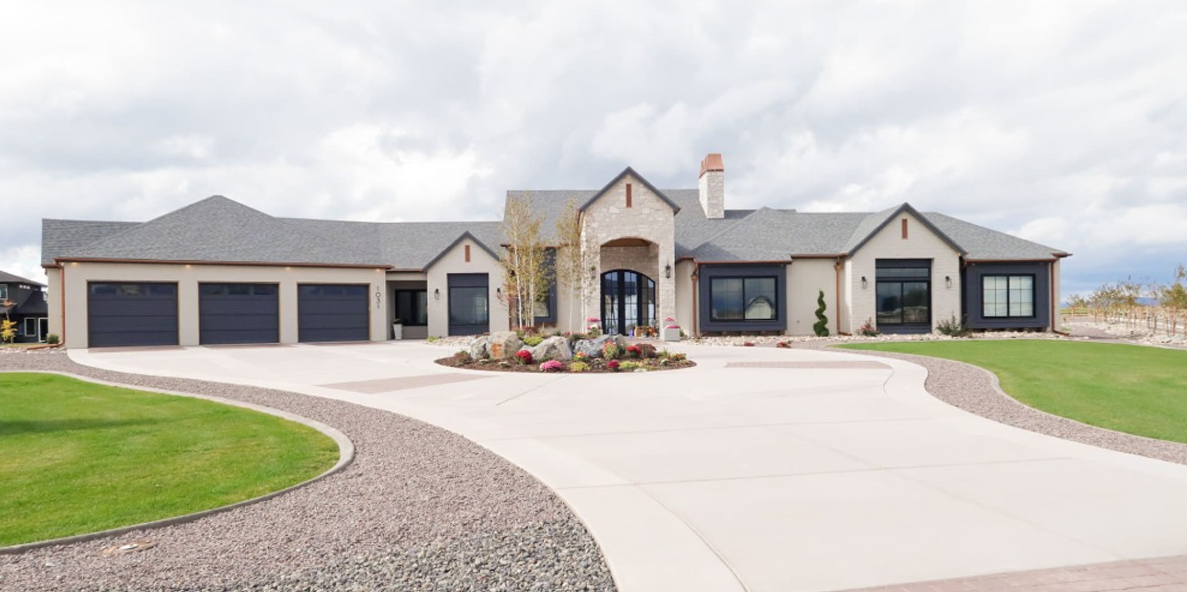;)
Homes represent more than just shelter. They are complex machines that protect us from the elements. Over the last century, the way we design and build these machines has undergone significant changes. Many people feel a deep pull toward the character of a historic property. They love the stories hidden within aged wood and hand-pressed brick. Others seek the crisp lines and predictable performance of a fresh build. You may see these differences firsthand during the annual Parade of Homes in Grand Junction events. Seeing the contrast between a century-old Victorian and a modern residence reveals a massive shift within engineering. The bones of a house dictate how much you pay for heat. They determine if your floors squeak or if your walls stay straight during a storm. Small shifts at the structural level create huge changes within your daily experience.
The Ground Beneath the Slab
Foundations serve as the anchor for every other component. Older houses often sit on stacked stone or unreinforced brick. These materials were strong enough for the weight of the day, but they lacked flexibility. Over time, soil shifts and moves. Without steel reinforcement, these old foundations develop large cracks. Moisture seeps through the porous rocks. That leads to damp basements and musty smells that linger for years. Modern houses use engineered concrete slabs or reinforced basement walls. We now use rebar to give concrete the strength to resist ground pressure. These foundations are designed based on specific soil reports from your exact lot. Engineers calculate exactly how much weight the Earth can hold before the first pour. That level of precision prevents the settling issues that plague vintage properties. A stable base ensures the rest of the house remains level and secure for a lifetime.
How Walls Hold Temperature
The thermal envelope is perhaps the biggest gap between the past and the present. If you peel back the wallpaper inside an old house, you might find nothing but air. Early builders relied on the thickness of the wood or brick to keep people warm. Some even stuffed newspaper or sawdust inside the walls for insulation. Those materials offered very little protection against the harsh winter cold or summer heat. Modern walls are layers of high-performance technology. We use house wraps that act like a windbreaker for your home. These wraps allow moisture to escape while blocking drafts. Inside the walls, we use mineral wool or spray foam that fills every tiny gap. This science keeps the indoor climate steady. You no longer have to deal with “cold spots” near a window. The entire house maintains a single, comfortable temperature using very little energy. It turns the structure into a vault that protects your comfort and your wallet.
The Silence of Engineered Floors
Walking through an old house often sounds like a symphony of groans and squeaks. Those noises come from wood rubbing against wood. Older floor systems used solid planks nailed directly into the joists. As the wood shrinks with the seasons, the nails loosen. Every step causes the boards to shift and rub together. Modern flooring systems eliminate this friction using advanced adhesives and subfloor materials. We use tongue-and-groove subflooring that is both glued and screwed into place. This creates a solid, unified surface that does not move. When you add the fact that modern joists are stiffer, the result is a perfectly quiet walk. You can cross the room at midnight without waking the entire family. It is a subtle difference that makes a home feel much more expensive and sturdy.
Built to Fight the Elements
Environmental resilience is a major focus for current engineers. Our weather patterns are becoming more intense. Older homes were built with the assumption that the climate would stay the same. They often lack the anchors needed to stay attached to the foundation during high winds. Modern codes require “hurricane straps” and specific bolting patterns. These metal connectors tie the roof to the walls and the walls to the ground. They create a continuous path of strength. If a heavy storm hits, the house acts as a single unit rather than a pile of loosely connected boards. We also use better roofing underlayment now. Synthetic materials have replaced the old felt paper. These new barriers are waterproof and rip-resistant. They protect the interior even if a shingle blows away. This engineering gives you peace of mind when the clouds turn dark.
Natural Light and Smart Glass
Windows used to be a major source of energy loss. A single pane of glass offers almost no insulation. It is basically a hole within the wall where heat escapes. Old windows also let through high levels of UV rays. Those rays fade your furniture and your flooring over time. Modern windows are complex pieces of equipment. They feature multiple panes of glass with argon gas trapped between them. That gas acts as a buffer that stops heat transfer. We also apply low-E coatings to the glass. That coating reflects heat to its source. In the winter, it keeps the warmth inside. In the summer, it keeps the sun’s heat outside. This technology allows for the massive windows seen inside modern architecture. You can enjoy the view without feeling the temperature of the outside world. Finding the best views is one of the favorite things to do in Grand Junction for locals and visitors alike. Modern glass ensures you see those vistas without sacrificing your electric bill.
FAQ
Why do older homes feel colder?
Older homes lack a sealed thermal envelope. Air leaks through gaps around windows and within the attic. Without modern insulation, the walls themselves stay cold and pull heat away from your body.
Are modern materials as durable as old-growth wood?
Yes, but in a different way. Old-growth wood is very dense. However, engineered wood is more stable. It does not warp or shrink, which keeps the structure of the house straighter over time.
Can I upgrade an old home to match a new one?
You can improve an old home by adding insulation and new windows. However, some structural things, like the foundation or the framing method, are nearly impossible to change without a total teardown.
Do new homes have better air quality?
Generally, yes. New homes use mechanical ventilation to bring in fresh air. Older homes “breathe” through cracks and gaps. That air often brings inside dust and pollen from the crawlspace or attic.
Looking Forward with Our Team
Building a house involves thousands of choices that impact your life for decades. We focus on the technical details that ensure your residence stays strong and efficient. Our process looks at the latest in building science to provide a stable and quiet environment. We believe that the bones of a house are the most vital part of the project.
We want our clients to feel secure within a space that works perfectly from the first day. Our work at Alegria Homes centers on transparency and precision. We value the trust you place in us to create a shelter for your family. If you seek a home that combines modern safety with lasting comfort, we are ready to help you plan that future. Let us use our knowledge of the local landscape to build a house that stands as a legacy. Using the right materials today means you will have fewer repairs tomorrow. We are here to make sure your build is a success.